
Storage Buildings Built for Real Operations
Warehouse Construction in Aledo and serving the Quad Cities for facilities that support inventory growth and equipment access
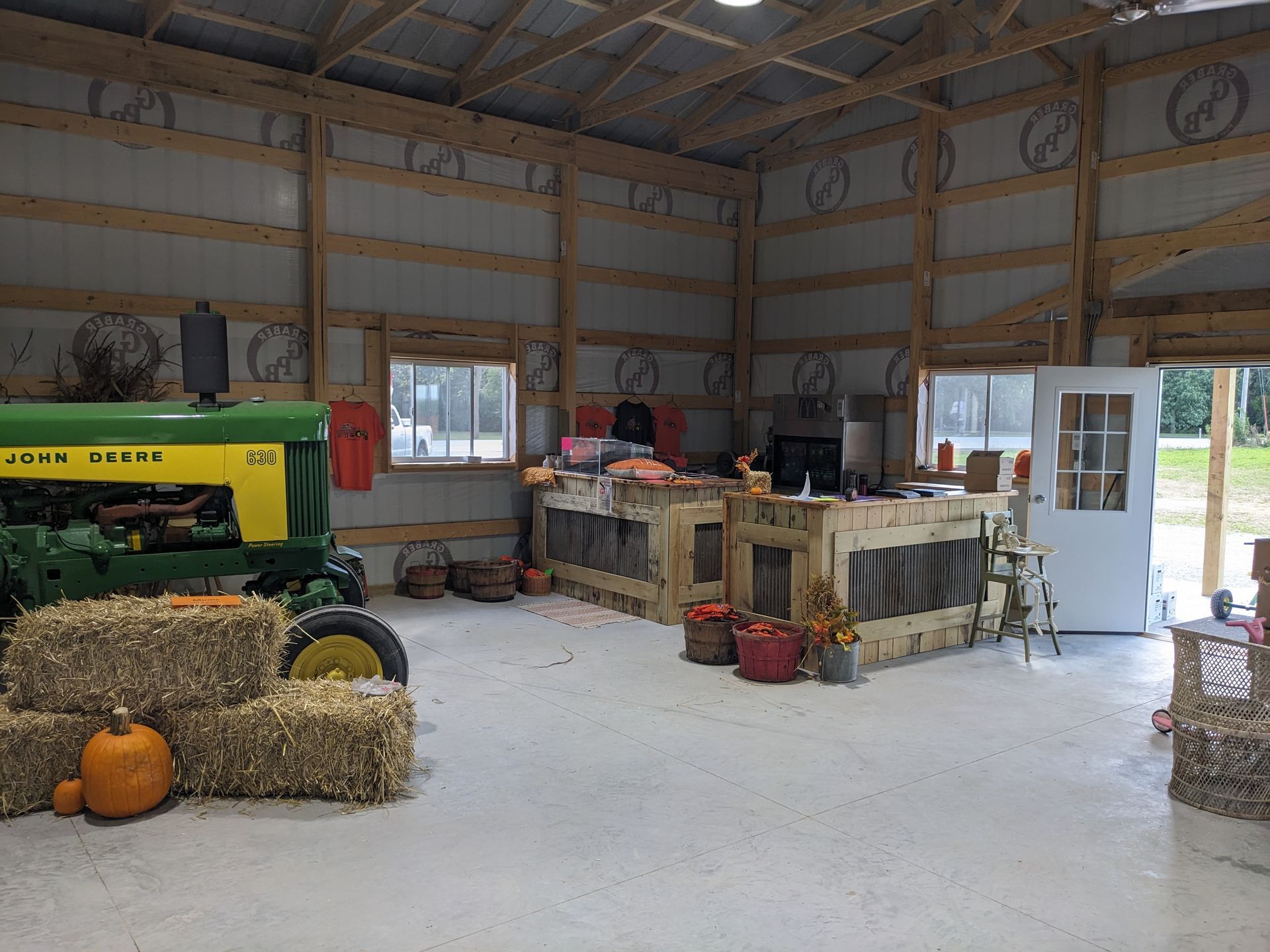
Indian Bluff Supply constructs warehouse and industrial storage facilities in Aledo and across the Quad Cities using post-frame building methods designed for clear-span interiors and operational efficiency. You need this type of structure when your current space no longer accommodates inventory rotation, equipment storage, or logistics staging without costly workarounds. Post-frame construction eliminates interior load-bearing walls, which means you gain unobstructed floor space for pallet racks, machinery lanes, and material handling equipment without columns interrupting workflow.
The service involves site evaluation to determine foundation requirements based on soil conditions, building design customized to your storage and operational needs, and construction that delivers functional space in a compressed timeline compared to conventional steel or masonry warehouses. Insulation and climate-control readiness are built into the structure if your inventory requires temperature stability or if you plan to work inside year-round. Custom sizing addresses specific operational demands—whether that means dock-height loading areas, overhead crane capacity, or space for future expansion lanes.
Request a warehouse planning consultation to review site conditions and operational requirements for your facility.
Why Post-Frame Construction Works for Commercial Storage
Post-frame warehouse construction uses vertical posts anchored in the ground or on a concrete foundation to carry roof and wall loads, which eliminates the need for interior support columns. This method allows for buildings up to 80 feet wide or more without obstructions, and wall heights can be customized to accommodate stacked storage, overhead doors sized for truck access, or mezzanine platforms. Construction timelines are faster because the structural frame is erected and enclosed in weeks rather than months, which means you start using the space sooner.
Once the building is complete, you notice that material handling equipment moves freely along any path without navigating around posts, ceiling height accommodates vertical storage systems without compromise, and insulated wall panels maintain consistent interior temperatures if climate control is installed. The exterior requires minimal maintenance because steel siding and roofing resist weather exposure, rot, and pest damage over decades of use.
Warehouse projects can include office space integration, restroom facilities, electrical service sized for equipment loads, and concrete floors finished to support forklift traffic. If your operation grows, additional bays or lean-to extensions can be added to the existing structure without major reconstruction.
Answers to Frequent Questions About Warehouse Facilities
Property owners and business operators in Aledo and the Quad Cities often ask how post-frame warehouses compare to other construction methods and what factors affect building design.
What makes clear-span interiors important for warehouse operations?
Clear-span interiors eliminate columns that would otherwise block forklift paths, limit racking layouts, or require you to design storage around obstacles, which means you use the full interior footprint without spatial compromises.
How does insulation affect year-round functionality?
Insulation in walls and roof assemblies stabilizes interior temperatures, which reduces heating and cooling costs if climate control is added and prevents condensation that can damage inventory or rust equipment stored inside.
When should I plan for future expansion during initial construction?
If your business projects inventory growth or additional equipment within five years, designing the initial structure with expansion bays or extended foundation support costs less than retrofitting later, and it avoids operational disruptions when you do expand.
What site conditions in Aledo and across the Quad Cities affect warehouse construction?
Soil bearing capacity, drainage patterns, and proximity to utilities all influence foundation design, electrical service routing, and stormwater management, which is why site evaluation happens before construction begins.
How long does warehouse construction typically take from start to completion?
Construction duration depends on building size, site preparation requirements, and customization complexity, but post-frame methods generally deliver an enclosed, functional structure faster than conventional commercial construction approaches.
Indian Bluff Supply works with business owners to design warehouse facilities that match current operations and accommodate future growth. Schedule a planning session to discuss your site, inventory requirements, and construction timeline expectations.